
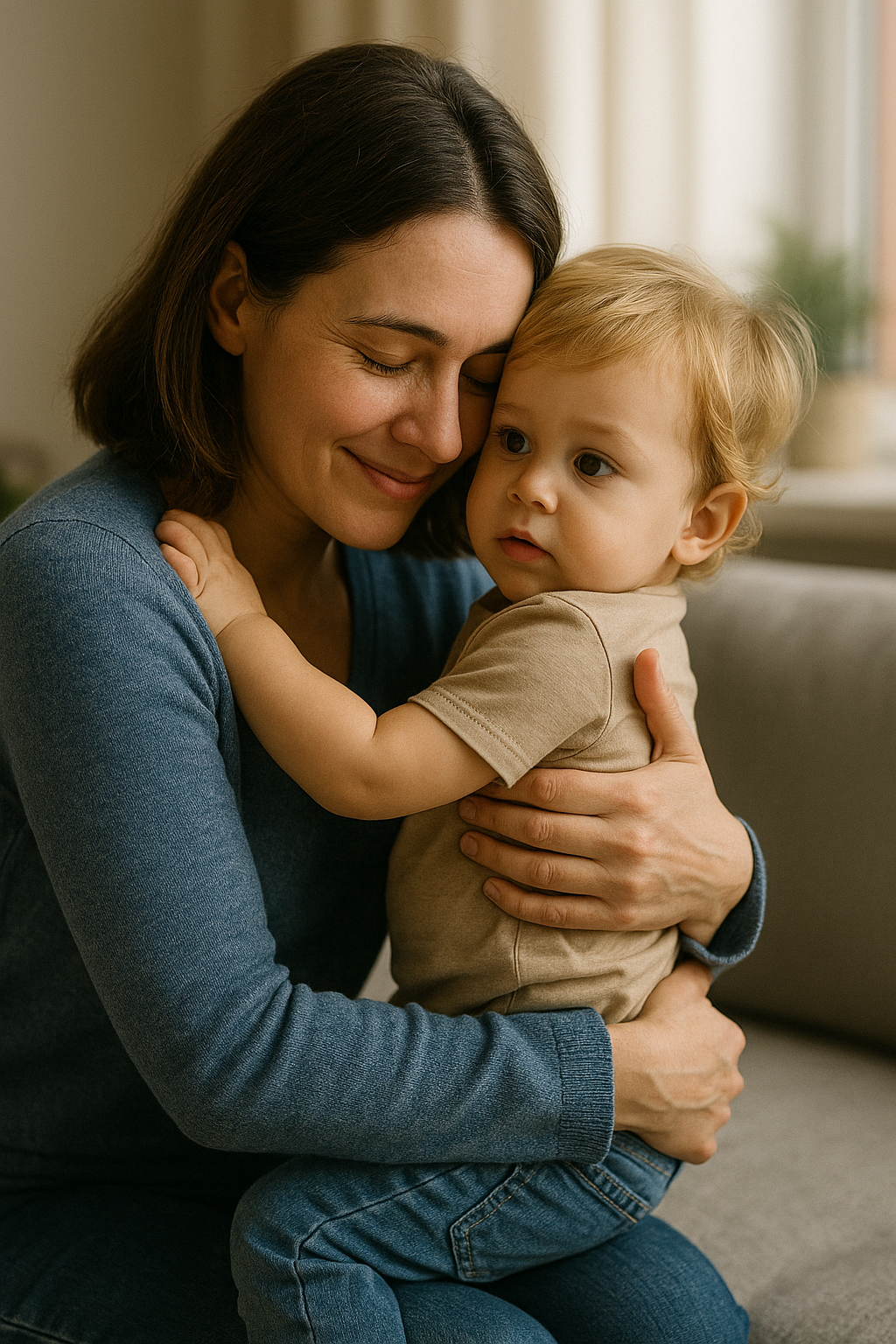
For many families, one of the most emotional moments of the day happens during school drop-off. Even when children enjoy their classroom, love their teachers, and have a wonderful day at school, saying goodbye to a parent can still be difficult—especially for young children.
As parents, it can be heartbreaking to leave when your child is crying and asking for you. It is natural to wonder if they will be okay or if attending school is causing them distress. The good news is that separation anxiety is a normal developmental stage, and in most cases, children settle quickly and thrive once they are engaged in their daily activities.
What Is Separation Anxiety?
Separation anxiety is a child’s emotional response when being separated from a parent or primary caregiver. It typically begins around 6 to 8 months of age, peaks between 10 and 18 months, and can continue into the toddler and preschool years.
Psychologists explain that separation anxiety is actually a positive sign of healthy attachment. It shows that a child has formed a strong emotional bond with their caregivers and understands that they are important people in their lives.
According to the American Academy of Pediatrics, separation anxiety is a normal part of development and affects most children at some point during early childhood.
Why Does My Child Cry at Drop-Off If They Love School?
Many parents are surprised when their child cries every morning, even though teachers report that they have a wonderful day.
Research and observations from early childhood educators consistently show that most children calm down within 5 to 15 minutes after their parent leaves. Once they become involved in play, activities, songs, or interactions with friends and teachers, their attention shifts, and they begin enjoying their day.
Teachers often witness a dramatic transformation: a child who is crying at the door may be smiling, playing, and participating happily just a few minutes later.
The tears at drop-off are usually about saying goodbye—not about disliking school.
Why Staying Longer Can Sometimes Make It Harder
As parents, our instinct is often to stay longer when our child is upset. However, early childhood experts have found that prolonged goodbyes can sometimes increase a child’s distress.
When children sense that a parent may stay longer than usual, they often continue crying in hopes that the separation can be avoided. A short, loving, and confident goodbye helps children understand what to expect.
This does not mean being cold or dismissive. Instead, it means:
- Give a warm hug.
- Reassure your child that you will return.
- Say goodbye confidently.
- Leave promptly.
Children take emotional cues from adults. When parents appear calm and confident, children are more likely to feel secure.
The Importance of Routine
Young children feel safest when life is predictable.
A consistent morning routine helps children understand what comes next and reduces anxiety. When the same sequence happens every day—wake up, breakfast, get dressed, arrive at school, hug goodbye—the routine becomes familiar and comforting.
Research in child development shows that predictable routines contribute to emotional regulation and help children feel more secure in new environments.
Why Frequency Matters
One of the biggest factors in helping children adjust to school is attendance consistency.
Children who attend school several days each week often adapt more quickly because they develop familiarity with:
- Their teachers
- Their classmates
- Classroom routines
- Daily schedules
- The expectation that parents leave and return
When attendance is less frequent, children may need to “start over” emotionally each time they return. They have less opportunity to build a predictable routine, making separation more challenging.
This is why some children who attend only one or two days per week may take longer to adjust than children who attend more regularly.
What Parents Can Remember
If your child cries at drop-off, remember:
- Separation anxiety is normal.
- Crying does not mean your child dislikes school.
- Most children calm down shortly after their parent leaves.
- Consistent routines help children feel secure.
- Regular attendance supports adjustment and confidence.
- Teachers are experienced in helping children through these emotions.
Most importantly, trust the process.
Children are learning an important life skill: feeling safe and confident even when apart from the people they love most. While those morning tears can be difficult to witness, they are often part of healthy emotional development.
The true measure of success is not whether a child cries at goodbye—it is whether they are able to settle, engage, learn, play, and feel happy afterward.
And more often than not, just a few minutes after you leave, your child is smiling, exploring, and having a wonderful day.
A Message for Parents
If you have ever sat in your car after drop-off feeling guilty, worried, or emotional, know that you are not alone.
The separation is often harder for parents than it is for children.
Your child is building resilience, independence, and confidence. By maintaining a loving routine and trusting their teachers, you are helping them develop skills that will benefit them for years to come.
The tears at goodbye are temporary. The confidence they gain lasts a lifetime.