
A Guide for Parents and Early Childhood Educators
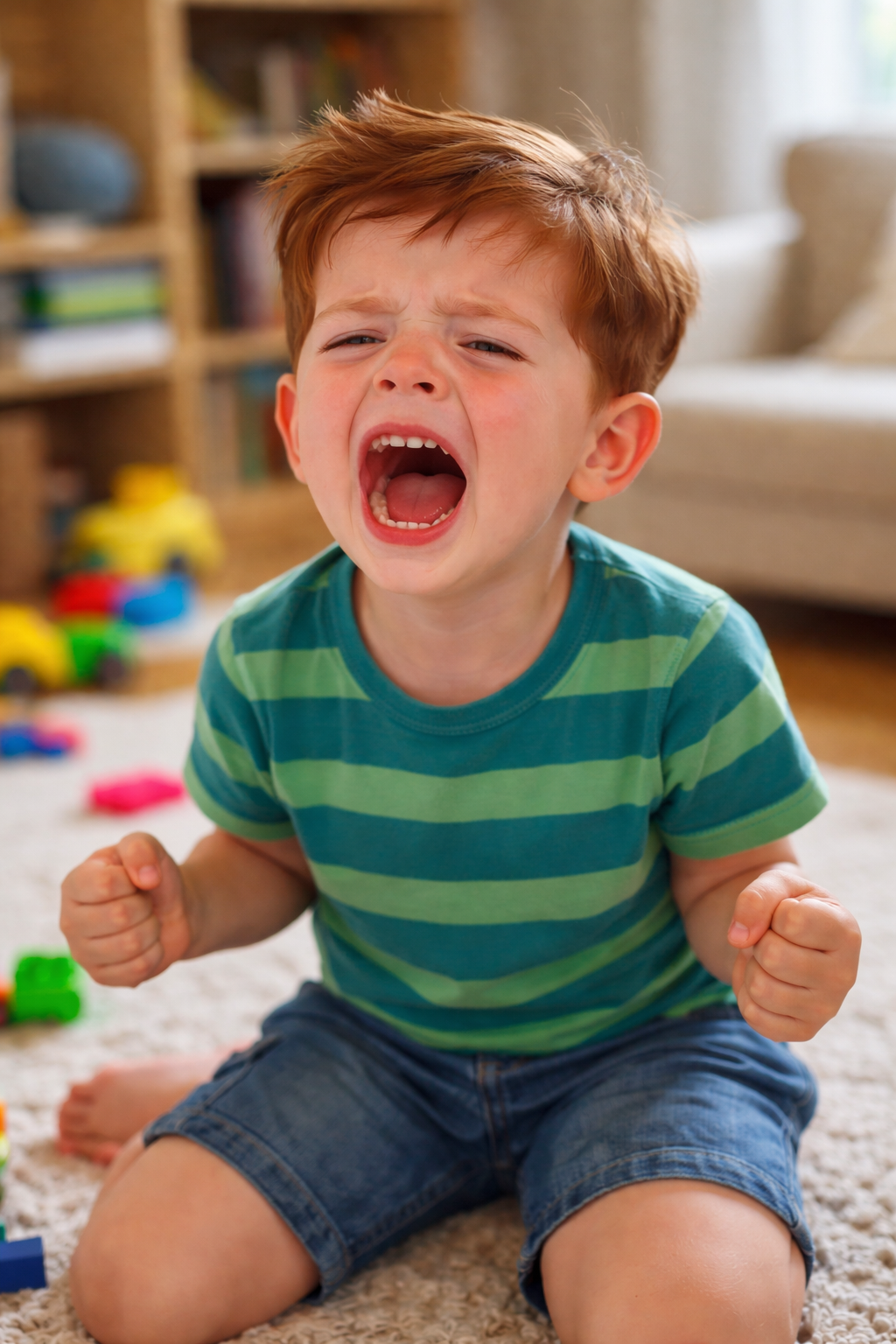
Many parents notice that during the preschool years, children can experience very big emotions. Some children cry intensely, scream when they don’t get what they want, or even push or scratch other children when they feel frustrated. While these behaviors can be worrying, especially before starting pre-kindergarten, they are often part of a child’s developing emotional skills.
Understanding why these reactions happen and how to support children can make a big difference in helping them grow socially and emotionally.
Why Do Young Children Have Emotional Outbursts?
In early childhood, the brain areas responsible for emotional control are still developing. This means that children often feel emotions strongly but do not yet know how to manage them.
Some children may experience stronger reactions because of:
-
Frustration when things do not go their way
-
Strong personalities or sensitive temperaments
-
High intelligence or curiosity, which can sometimes bring intense reactions when expectations are not met
-
Difficulty expressing feelings with words
-
Tiredness, changes in routine, or overstimulation
These reactions do not mean something is wrong with the child. Instead, they usually show that the child needs support learning emotional regulation skills.
Why Emotional Skills Matter Before Pre-K
When children start pre-kindergarten, they enter a group environment where they must learn to:
-
Share and take turns
-
Follow classroom routines
-
Solve problems with peers
-
Manage frustration
Teachers do their best to support every child, but classrooms often have many students. Developing emotional regulation skills at home helps children feel more confident and successful in school settings.
How Parents Can Help at Home
Parents play a key role in helping children learn how to manage their emotions.
1. Help Children Name Their Feelings
Young children often act out because they cannot explain what they feel. Parents can help by labeling emotions.
Examples:
-
“It looks like you’re feeling frustrated.”
-
“You seem angry because you wanted that toy.”
This helps children connect feelings with words.
2. Validate Feelings, but Set Clear Limits
It’s important for children to know their emotions are understood, while also learning appropriate behavior.
For example:
“I understand you’re upset, but we cannot push or scratch others.”
3. Teach Calm-Down Strategies
Children can learn simple ways to calm themselves, such as:
-
Taking deep breaths
-
Counting slowly
-
Sitting in a quiet space
-
Hugging a favorite toy
Practicing these strategies regularly helps children use them during difficult moments.
4. Model Calm Behavior
Children learn by watching adults. When parents handle frustration calmly, they show children how emotions can be managed.
For example:
“I’m feeling a little frustrated, so I’m going to take a deep breath.”
5. Build Predictable Routines
Consistent routines for sleep, meals, and activities help children feel secure and reduce emotional stress.
When to Seek Additional Support
If emotional outbursts are very frequent, intense, or interfere with daily life, speaking with a child psychologist or early childhood specialist may be helpful. Early guidance can provide valuable strategies for both parents and children.
A Final Thought for Parents
Learning to manage emotions is a skill that takes time. With patience, guidance, and practice, children gradually develop the tools they need to express their feelings, interact positively with others, and thrive in school.
Supporting emotional development in early childhood is one of the most important ways we can help children build confidence, resilience, and healthy relationships.